

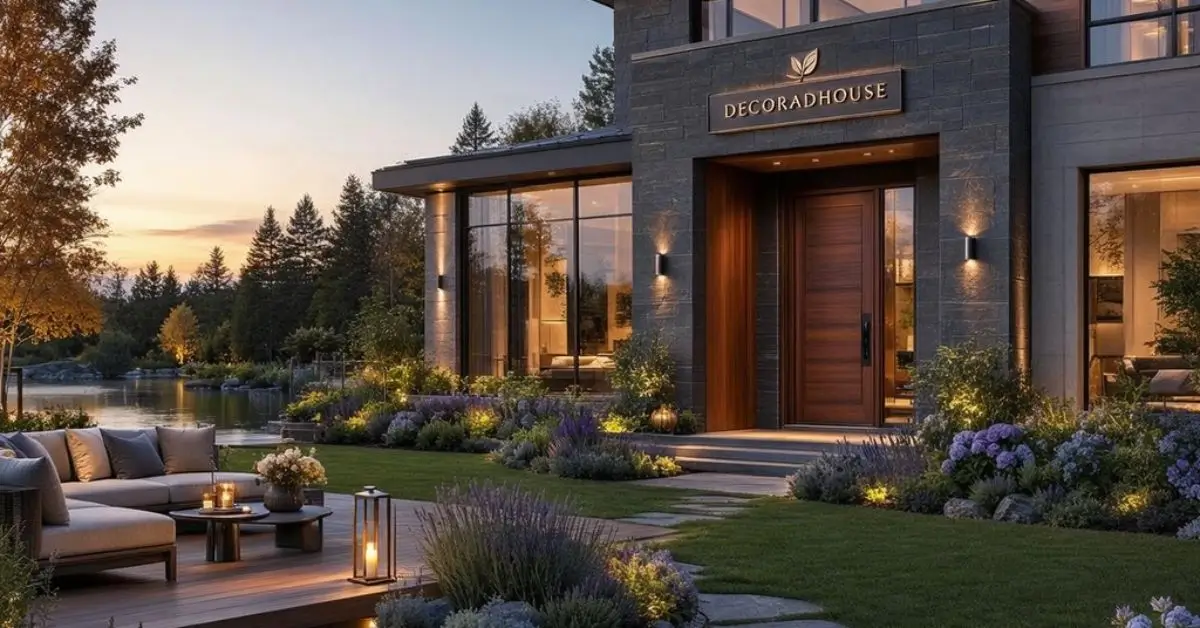
Upgrades Decoradhouse: A Complete Guide to the Best Home Improvements
There is a difference between a home that is lived in and a home that is well maintained and thoughtfully upgraded. Both feel familiar, but only one consistently delivers comfort, protects its value, and makes daily life genuinely better.
The challenge most homeowners face is not a shortage of upgrade ideas. It is knowing which ones are actually worth doing, in what order, and at what budget. Without that clarity, money gets spent on improvements that look good in the short term but do not hold up, add value, or make a meaningful difference to how the home actually functions.
The Decoradhouse approach to upgrades solves that problem by focusing on improvements that are practical, proportionate, and genuinely impactful rather than just visually appealing in the moment.
This guide covers the best upgrades Decoradhouse style recommends, organized by home area and priority level, with honest cost context and real-world execution advice so you can make confident decisions rather than guesswork ones.
Upgrades from the Decoradhouse approach refer to a curated set of home improvement priorities focused on delivering measurable gains in comfort, function, aesthetic quality, and long-term property value. Rather than chasing trends or making cosmetic changes that fade quickly, this upgrade philosophy emphasizes proportionate, well-executed improvements that work with a home’s existing character while meaningfully raising its quality and liveability for the people who live there.
Quick Summary
The Decoradhouse upgrades approach focuses on high-impact, proportionate home improvements that improve daily life and protect long-term property value. This guide covers the best upgrades by room and category, realistic cost expectations, and honest advice on what to prioritize and what to skip.
Why Most Home Upgrades Underperform Expectations
Before getting into specific recommendations, it is worth understanding why so many home upgrades fail to deliver the results homeowners expect. This context makes every specific recommendation more useful.
The most common reason upgrades disappoint is that they address surface appearance without fixing underlying function. A kitchen that gets new cabinet doors but still has poor storage, inadequate lighting, and a cramped layout will still frustrate you every day regardless of how the doors look.
The second reason is poor sequencing. Upgrading flooring in a room that has a roof leak above it, or painting walls in a bathroom with unresolved ventilation problems, produces results that deteriorate faster than the effort and cost justify.
The Decoradhouse approach starts with function and structure before aesthetics, and with high-impact areas before decorative ones. That sequencing is the foundation of every upgrade recommendation in this guide.
Kitchen Upgrades That Deliver Real Returns
The kitchen is the room where well-chosen upgrades consistently deliver the highest combination of daily quality-of-life improvement and long-term property value increase.
Lighting First, Everything Else Second
Kitchen lighting is the most undervalued and most consistently underinvested upgrade available. Most kitchens have a single overhead fixture that creates shadows across work surfaces and makes the room feel flatter and smaller than it actually is.
Layered lighting, combining overhead general illumination with under-cabinet task lighting and pendant lights over islands or dining areas, transforms how a kitchen looks and functions. Under-cabinet LED lighting alone costs $100 to $300 for most kitchens and immediately improves both the usability of prep areas and the overall atmosphere of the space.
This is the upgrade to make before anything else in the kitchen. Better lighting makes every other element in the room look better without changing anything else.
Cabinet Hardware Replacement
Replacing cabinet handles and drawer pulls is the most cost-effective visual upgrade available in any kitchen. New hardware in a consistent finish, matte black, brushed nickel, or brushed brass are all strong current choices in the US market, changes the entire character of a kitchen for $150 to $400 depending on the number of cabinets.
The work takes a single afternoon and requires only a screwdriver. The visual result is immediate and significant, making cabinets look intentional and current rather than dated and neglected.
Countertop Upgrade When Ready
Countertops are a larger investment but one that delivers lasting impact when done well. Quartz is currently the most popular choice in the US residential market for good reason: it is durable, non-porous, low-maintenance, and available in a wide range of colors and finishes.
For kitchens where full countertop replacement is not in the immediate budget, focusing on resurfacing or replacing just the most visible and most used section, typically the main prep area, allows a staged approach that manages cost while still delivering meaningful improvement.
Bathroom Upgrades with Maximum Impact Per Dollar
Bathrooms are compact spaces where targeted upgrades create disproportionately large visual and functional improvements.
Fixture Replacement Before Any Structural Work
Dated faucets, corroded towel bars, and old toilet hardware are the first things anyone notices in a bathroom. Replacing these items is inexpensive, requires no structural work, and produces immediate improvement.
A complete bathroom fixture update including faucet, towel bar, toilet paper holder, and robe hook in a matching finish typically costs $200 to $500 in materials and can be completed in a day by a confident DIYer. The before and after difference is consistently one of the most striking of any home upgrade at that price point.
Regrouting and Resealing Tile
Tile that is structurally sound but has stained, crumbling, or discolored grout looks far worse than the tile itself deserves. Regrouting is a manageable DIY project that makes a bathroom feel freshly renovated without the cost or disruption of retiling.
Combined with a deep clean and the replacement of any cracked or chipped tiles, this single upgrade often transforms a bathroom’s appearance dramatically for under $100 in materials.
Proper Ventilation as a Foundation Upgrade
Poor bathroom ventilation is the root cause of a long list of subsequent problems: peeling paint, mold growth, moisture damage to cabinetry, and deteriorating grout. Upgrading to a properly rated exhaust fan is a functional improvement that protects every other upgrade you make in the bathroom.
This is the kind of unsexy but genuinely important upgrade that the Decoradhouse approach consistently emphasizes. It will not be the most visually exciting change you make, but it will make everything else last longer and perform better.
Living and Dining Area Upgrades
Living spaces benefit most from improvements to light, proportion, and surface quality rather than structural changes.
Paint as the Highest-Return Upgrade Available
Fresh paint remains the single best return on investment upgrade in any home. The material cost is modest, the transformation is immediate, and the impact on how every other element in the room looks is significant.
Warm neutrals, soft whites, and earthy tones are consistently the strongest performing color choices in both the US and UK markets. They complement the widest range of furnishing styles, photograph well for listing purposes, and make spaces feel clean and cared for.
A homeowner in Phoenix who repainted their entire main living area in a warm greige for $400 in materials reported immediate feedback from visitors about how much more inviting the home felt. That kind of result is realistic and repeatable in most homes.
Flooring Upgrade for Whole-Room Transformation
Flooring covers every square foot of a room, which means its condition and quality affect everything else in the space. Worn, stained, or dated carpet in main living areas is one of the most impactful negative factors on how a home is perceived, both by visitors and by potential buyers.
Replacing main living area carpet with hardwood, quality engineered wood, or durable luxury vinyl plank is consistently one of the top value-adding upgrades in the US residential market. If replacement is not in the current budget, professional deep cleaning of existing carpet and refinishing of existing hardwood floors delivers significant improvement at a fraction of replacement cost.
Window Treatment Correction
Curtains and blinds are frequently the most incorrectly executed element in otherwise well-furnished rooms. Curtains hung too low, too narrow, or stopping short of the floor make rooms feel smaller and ceilings feel lower than they actually are.
Rehinging existing curtains closer to the ceiling line and ensuring they fall to the floor fixes this problem without buying anything new. When purchasing new window treatments, prioritizing ceiling-height mounting and floor-length panels delivers a visual improvement that many homeowners find genuinely surprising given how simple the change is.
Exterior and Curb Appeal Upgrades
First impressions shape how everyone, visitors, neighbors, and potential buyers, perceives a home before they step inside.
Front Door as a Statement Upgrade
A freshly painted or replaced front door consistently delivers one of the strongest returns on investment of any exterior upgrade. A new front door in a strong, complementary color signals care and intentionality from the street in a way that few other single improvements can match.
Black, navy, deep green, and warm red are currently the strongest performing front door colors in US and UK markets. Combined with updated house numbers and a quality new doormat, a refreshed front door transforms curb appeal for under $200 in most cases where painting rather than replacement is appropriate.
Pathway and Entry Surface Attention
The pathway from street or driveway to the front door is the physical experience of approaching a home. Cracked concrete, overgrown edging, or a pathway that feels neglected communicates the opposite of what a well-maintained home should.
Pressure washing existing pathways, repairing obvious cracks with appropriate filler, and redefining pathway edges with fresh edging or bordering plants are all manageable upgrades that significantly improve the entry experience.
Upgrade Priority Reference
| Upgrade | Approx Cost | Impact Level | DIY Friendly | Best Timing |
|---|---|---|---|---|
| Kitchen under-cabinet lighting | $100 – $300 | High | Yes | Anytime |
| Cabinet hardware replacement | $150 – $400 | High | Yes | Anytime |
| Bathroom fixture update | $200 – $500 | High | Yes | Anytime |
| Tile regrouting | $50 – $150 | Medium-High | Yes | When grout shows wear |
| Interior paint refresh | $200 – $600 | Very High | Yes | Anytime |
| Living area flooring upgrade | $2,000 – $8,000 | Very High | Partial | Planned budget |
| Front door refresh | $100 – $300 | High | Yes | Spring or fall |
| Bathroom ventilation upgrade | $80 – $250 | High functional | Partial | Before other bath upgrades |
| Countertop replacement | $2,000 – $6,000 | High | No | Planned budget |
Smart Upgrade Sequencing: Getting the Order Right
The order in which you make home upgrades matters almost as much as which upgrades you choose.
Fix functional problems before cosmetic ones. Any leaks, drainage issues, ventilation problems, or structural concerns should be addressed before money goes into appearance upgrades that will be undermined by unresolved underlying issues.
Start with the upgrades that affect how the home feels before addressing how it looks. Lighting, ventilation, and surface quality all affect daily experience more directly than decorative changes. Get these right first.
Prioritize high-use rooms. The kitchen, primary bathroom, and main living area deliver returns on upgrade investment every single day because they are used constantly. Bedrooms and secondary spaces are important but deliver lower frequency of return on the same investment.
Save trend-driven choices for last and for the smallest budget allocation. Bold color choices, fashionable fixtures, and statement design decisions are the most enjoyable to make but carry the highest risk of dating quickly. They work best as a finishing layer on a home that is already well-maintained and well-upgraded.
What to Avoid: Upgrades That Often Disappoint
Not every popular upgrade idea delivers on its promise, and being honest about this saves both money and frustration.
Over-renovating for the neighborhood. Upgrades should be proportionate to the home’s market context. A $60,000 kitchen renovation in a neighborhood where comparable homes sell for $280,000 will not return its cost at sale. Keep improvements appropriate to the property and its surroundings.
Trend-chasing without considering longevity. Highly trendy finishes, colors, and materials look current today but can feel dated within three to five years. Choosing classic, quality materials over fashionable ones in high-cost upgrades almost always produces better long-term results.
DIY-ing work that requires a licensed professional. Electrical, plumbing, and structural work done without proper licensing creates safety risks, legal problems at sale, and repair costs that consistently exceed professional fees. Know where DIY ends.
Conclusion
Good home upgrades are not about doing the most or spending the most. They are about making the right improvements in the right order with a clear understanding of what each one actually delivers.
The upgrades Decoradhouse recommends are grounded in that principle. Fix function first, improve high-use spaces before secondary ones, choose quality and longevity over trends, and sequence your improvements to build on each other rather than competing with unresolved underlying issues.
Whether you are working with a tight budget or planning a significant investment in your property, this framework gives you a foundation for making decisions that you will be satisfied with for years rather than months.
Start with one room, make one upgrade, and do it well. That is how homes genuinely improve over time.
Frequently Asked Questions
What does the Decoradhouse upgrade approach focus on?
It focuses on practical, high-impact home improvements that improve comfort, functionality, and long-term value.
Which home upgrades add the most value?
Kitchen updates, bathroom improvements, fresh paint, flooring, and front door upgrades offer the best return.
What is the most cost-effective home upgrade?
Interior painting is the most affordable upgrade, followed by replacing kitchen cabinet hardware.
How do I prioritize home upgrades on a budget?
Fix structural or functional issues first, then update kitchens, bathrooms, paint, and lighting.
Should I DIY or hire a professional?
DIY is suitable for painting and simple upgrades, while electrical, plumbing, HVAC, and structural work should be handled by professionals.
How much should I budget for home upgrades?
Plan to spend about 1–2% of your home’s value annually on maintenance and improvements.