

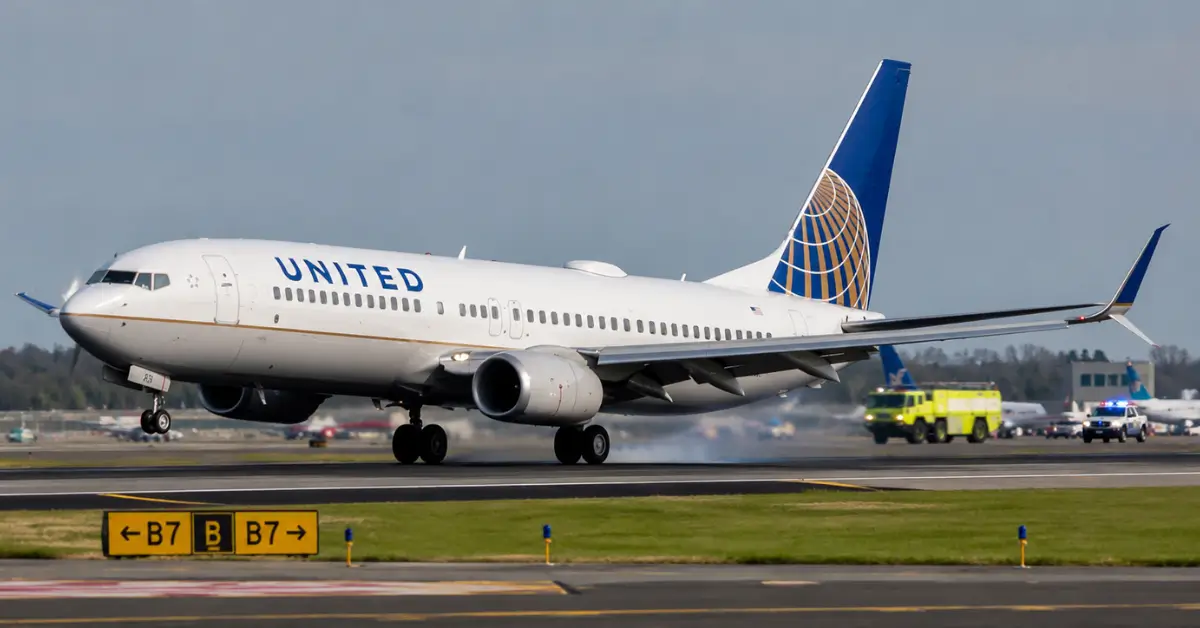
Air travel safety concerns touch everyone who flies. When news breaks about an aviation incident, passengers and their families naturally want clear answers about what happened and whether flying remains safe. The United Airlines Flight UA939 emergency brought these questions to the forefront for many travelers across the United States, United Kingdom, and Canada.
Understanding airline emergencies helps passengers make informed decisions about their travel plans. This comprehensive guide explains the UA939 incident, explores how airlines handle emergencies, and provides practical information for anyone concerned about aviation safety.
Understanding the United Airlines Flight UA939 Emergency Incident
Flight emergencies occur when pilots and crew must respond to unexpected situations that require immediate action. The United Airlines Flight UA939 emergency involved a commercial flight that experienced technical difficulties requiring the crew to follow established safety protocols. These situations, while concerning, demonstrate how modern aviation systems prioritize passenger safety above all else.
Airlines train their crew members extensively to handle various emergency scenarios. When Flight UA939 encountered its issue, the pilots followed standard operating procedures designed specifically for such circumstances. The crew maintained constant communication with air traffic control, ensuring ground support teams could prepare for the aircraft’s arrival.
Passengers aboard the flight reported that crew members remained calm and professional throughout the incident. Flight attendants provided clear instructions and worked to keep everyone informed without causing unnecessary panic. This professional response reflects the rigorous training all airline personnel undergo to manage emergencies effectively.
What Caused the Flight UA939 Incident
Aviation emergencies can stem from numerous factors including mechanical issues, weather conditions, or medical situations. In the case of the United Airlines Flight UA939 emergency, preliminary reports indicated a technical concern that required the flight crew to exercise caution. Modern aircraft have multiple redundant systems specifically designed to handle component failures safely.
Airlines maintain strict maintenance schedules to prevent mechanical problems. Every aircraft undergoes regular inspections where technicians check thousands of components. Despite these precautions, unexpected issues can occasionally arise during flight operations. When they do, pilots rely on their training and the aircraft’s backup systems to manage the situation.
The investigation process following any aviation incident involves multiple agencies reviewing flight data, maintenance records, and crew communications. These thorough examinations help identify root causes and prevent similar occurrences in the future. Aviation authorities take every incident seriously, using findings to continuously improve safety standards across the industry.
How United Airlines Responded to the UA939 Emergency
Airlines have comprehensive emergency response plans that activate immediately when incidents occur. United Airlines coordinated with airport authorities to ensure appropriate resources were available when Flight UA939 landed. Emergency vehicles positioned themselves near the runway as a precautionary measure, following standard protocols for such situations.
The airline’s ground team worked quickly to assist passengers after the aircraft landed safely. Customer service representatives helped travelers make alternative arrangements and addressed concerns about continuing their journeys. United Airlines also communicated with families who had been waiting for arriving passengers, providing updates about the situation.
Communication during and after emergencies plays a crucial role in passenger confidence. The airline issued statements explaining what happened and outlining the steps taken to ensure passenger safety. This transparency helps travelers understand that their wellbeing remains the top priority during any irregular operation.
Passenger Safety Protocols During Flight Emergencies
Modern commercial aviation has developed extensive safety procedures over decades of operation. When flight crews identify potential emergencies, they follow checklists that guide them through appropriate responses. These procedures account for various scenarios and provide clear steps to protect everyone aboard.
Passengers play an important role in emergency situations by following crew instructions promptly. Flight attendants receive specialized training in emergency procedures and know exactly how to guide passengers through different situations. Listening to their directions and remaining calm helps ensure everyone’s safety during unexpected events.
Aircraft design incorporates numerous safety features that protect passengers during emergencies. From reinforced structures to redundant control systems, commercial aircraft include multiple layers of protection. Oxygen masks, emergency exits, and flotation devices represent just some of the safety equipment required on every passenger flight.
The Investigation Process Following the UA939 Incident
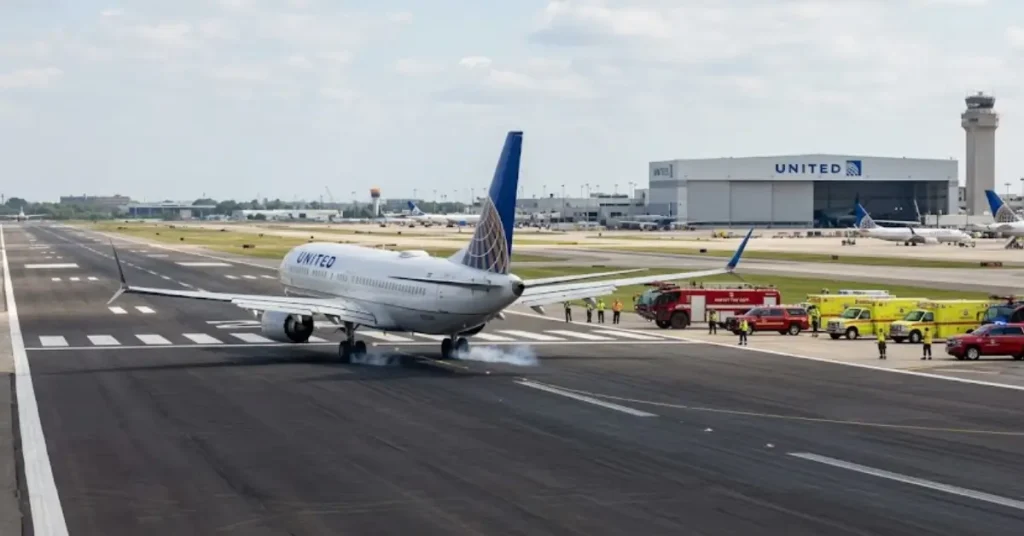
Aviation authorities conduct thorough investigations after any incident to understand what occurred and why. These examinations involve reviewing flight data recorders, which capture detailed information about aircraft performance and crew actions. Investigators also interview crew members and examine maintenance records to build a complete picture of events.
The investigation process takes time because authorities want to ensure accurate findings. Rushing to conclusions without complete information could lead to incorrect assessments and ineffective safety recommendations. Patience during these investigations ultimately leads to better aviation safety for everyone.
Findings from incident investigations often result in improved procedures or equipment modifications. The aviation industry learns from every occurrence, implementing changes that enhance safety across all airlines. This continuous improvement process has made commercial air travel one of the safest transportation methods available today.
What the United Airlines Flight UA939 Emergency Means for Future Travelers
Aviation incidents naturally raise questions about flight safety, but statistics consistently show that commercial air travel remains extraordinarily safe. Millions of flights operate successfully every year, and the industry’s safety record continues improving. The professional handling of situations like the Flight UA939 emergency demonstrates the effectiveness of current safety systems.
Passengers can fly with confidence knowing that airlines, manufacturers, and regulators constantly work to enhance aviation safety. Every component of modern air travel, from pilot training to aircraft maintenance, focuses on protecting passengers. The systems in place today reflect decades of learning and improvement in aviation operations.
Travelers concerned about safety should remember that airline crews train extensively for emergencies. The professionals operating commercial flights have the skills and knowledge to handle unexpected situations effectively. Their training, combined with modern aircraft technology, provides multiple layers of protection during every flight.
How Airlines Prepare Crews for Emergency Situations
Pilot training includes extensive simulator sessions where crews practice responding to various emergency scenarios. These realistic simulations allow pilots to experience and manage difficult situations in a controlled environment. They practice engine failures, electrical problems, and numerous other potential issues before ever encountering them in actual flight.
Flight attendants undergo rigorous safety training that covers evacuation procedures, medical emergencies, and passenger management during crises. They learn how to operate emergency equipment, assist passengers with special needs, and coordinate with flight deck crews. This comprehensive preparation ensures cabin crew members can respond effectively when situations arise.
Airlines regularly conduct recurrent training to keep crew skills sharp. Pilots and flight attendants periodically return to training centers to refresh their emergency procedures knowledge and learn about new safety protocols. This ongoing education ensures that crews remain prepared to handle any situation that might develop during flight operations.
Lessons Learned from Aviation Emergency Incidents
The aviation industry’s commitment to learning from every incident has driven continuous safety improvements. Each occurrence, including the United Airlines Flight UA939 emergency, provides opportunities to examine procedures and identify potential enhancements. Airlines share information about incidents to help the entire industry benefit from individual experiences.
Safety recommendations emerging from investigations often lead to procedural changes or equipment upgrades. These modifications might seem small individually, but collectively they contribute to the remarkable safety record commercial aviation enjoys today. The willingness to learn and adapt separates aviation from many other industries.
Passengers benefit directly from this culture of continuous improvement. Every safety enhancement implemented across the airline industry makes future flights safer for travelers worldwide. The comprehensive approach to aviation safety considers human factors, technology, and procedures to create robust protection systems.
Practical Tips for Passengers During Flight Irregularities
Staying calm during unusual flight situations helps both you and fellow passengers. Flight crews train to manage emergencies, and following their instructions ensures the best outcomes. If crew members provide specific directions, respond promptly and help others around you who might need assistance.
Pay attention during pre-flight safety briefings even if you fly frequently. Knowing where emergency exits are located and how to use safety equipment could prove valuable during unexpected situations. Those few minutes of attention before takeoff provide important information that might be crucial later.
Keep your seatbelt fastened when seated, even if the seatbelt sign is off. Unexpected turbulence can occur without warning, and a fastened seatbelt protects you from injury. This simple action represents one of the easiest ways to enhance your safety during any flight.
Understanding Your Rights After Experiencing a Flight Emergency
Airlines have obligations to passengers when flights experience significant delays or diversions due to emergencies. Depending on your location and the circumstances, you may be entitled to accommodations, meal vouchers, or rebooking on alternative flights. Understanding these rights helps you navigate the aftermath of irregular operations.
Documentation becomes important if you need to file claims for expenses or compensation. Keep receipts for any costs incurred due to flight disruptions, including hotels, meals, or transportation. Airlines typically have processes for reviewing and addressing passenger claims following significant incidents.
Customer service representatives can explain your options after flight irregularities occur. Don’t hesitate to ask questions about rebooking, refunds, or compensation if your travel plans were disrupted. Airlines want to address passenger concerns and help you reach your destination or return home safely.
Frequently Asked Questions
What exactly happened during the United Airlines Flight UA939 emergency?
The United Airlines Flight UA939 emergency involved a technical issue that required the flight crew to follow safety protocols and make precautionary decisions. The aircraft landed safely with all passengers and crew unharmed. Aviation authorities conducted standard investigations following the incident to determine specific causes and recommend any necessary safety improvements.
How safe is it to fly on United Airlines after the UA939 incident?
Flying on United Airlines and other major carriers remains extremely safe. Airlines maintain rigorous safety standards and crews train extensively for emergency situations. Individual incidents do not reflect overall airline safety, which is continuously monitored by aviation authorities. Commercial aviation’s safety record shows it to be one of the safest transportation methods available today.
What should passengers do if they experience a similar emergency during a flight?
Passengers should remain calm and follow all crew instructions during flight emergencies. Flight attendants and pilots are trained professionals who know how to manage these situations effectively. Listen carefully to announcements, keep your seatbelt fastened, and help fellow passengers if needed. Your cooperation with crew members ensures the best possible outcome during any irregular flight operation.
Will I receive compensation if my flight experiences an emergency landing?
Compensation policies vary depending on location, circumstances, and applicable regulations. Airlines typically assist passengers with rebooking and may provide accommodations if significant delays occur. Passengers should keep documentation of expenses and contact airline customer service to understand their specific rights and options following flight disruptions.
How often do flight emergencies like UA939 actually occur?
Flight emergencies requiring precautionary actions are relatively rare given the millions of flights operating annually. Modern aircraft have redundant safety systems, and crews receive extensive training to prevent and manage potential issues. The aviation industry’s strong safety culture and continuous improvement processes work to minimize incidents and protect passenger safety on every flight.
Conclusion
The United Airlines Flight UA939 emergency serves as a reminder that aviation safety systems work effectively when unexpected situations arise. Professional crews, modern aircraft technology, and comprehensive emergency procedures combine to protect passengers during irregular operations. While any flight incident raises natural concerns, the safe outcome of this event demonstrates the reliability of current aviation safety practices.
Understanding how airlines and crews respond to emergencies helps passengers fly with greater confidence. The aviation industry’s commitment to learning from every incident and continuously improving safety standards benefits all travelers. Commercial air travel remains one of the safest ways to travel, supported by decades of experience and countless professionals dedicated to passenger safety.
Travelers can trust that airlines prioritize safety above all other considerations. The systems, training, and technology protecting passengers today represent the most advanced safety infrastructure in aviation history. Whether flying United Airlines or any other carrier, passengers benefit from an industry-wide commitment to making every flight as safe as possible.